Lord Ralph Hopton
c.1598–1652Royalist commander, South West Royalist
The most capable Royalist commander in the South West, Hopton led the western army through its final campaign before the defeat at Torrington.
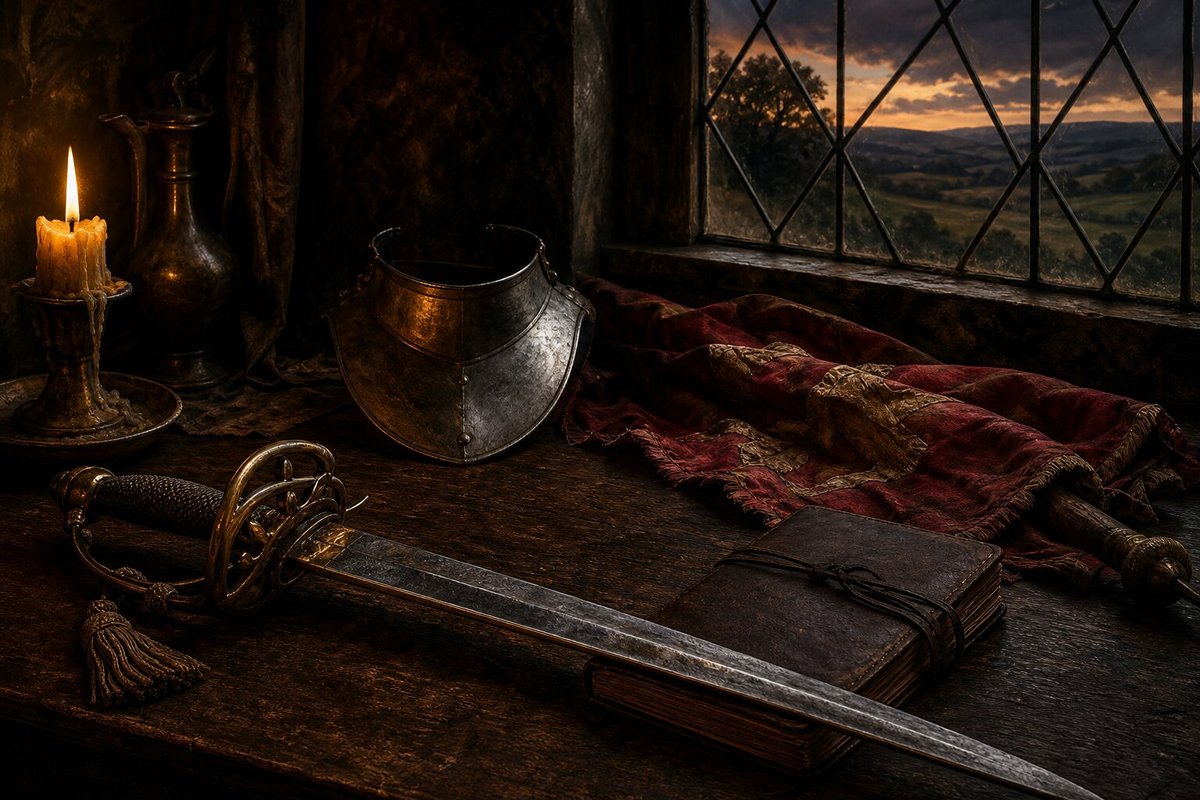
Ralph Hopton, 1st Baron Hopton, was a Somerset-born soldier and politician who became one of the most effective Royalist commanders of the Civil War. He had served in European wars before 1642 and brought genuine military experience to the Royalist cause.
Hopton won a series of remarkable victories in the early stages of the war — Braddock Down, Stratton, and Lansdown — that made him the dominant military force in the South West. His victories in 1642–43 secured the region for Charles I and enabled Royalist armies to threaten Parliamentary strongholds further east.
By 1646, however, Hopton faced a very different situation. The New Model Army had transformed Parliament's military capacity, and Royalist resources were exhausted. Hopton concentrated his remaining forces at Great Torrington in February 1646, hoping to hold the strong defensive position. The battle that followed ended in defeat and retreat. He surrendered at Truro in March 1646 and subsequently went into exile, dying in Bruges in 1652.
Sir Thomas Fairfax
1612–1671Parliamentary commander-in-chief Parliament
The commanding general of Parliament's New Model Army and the architect of its South West campaign, Fairfax led the assault on Torrington in person.
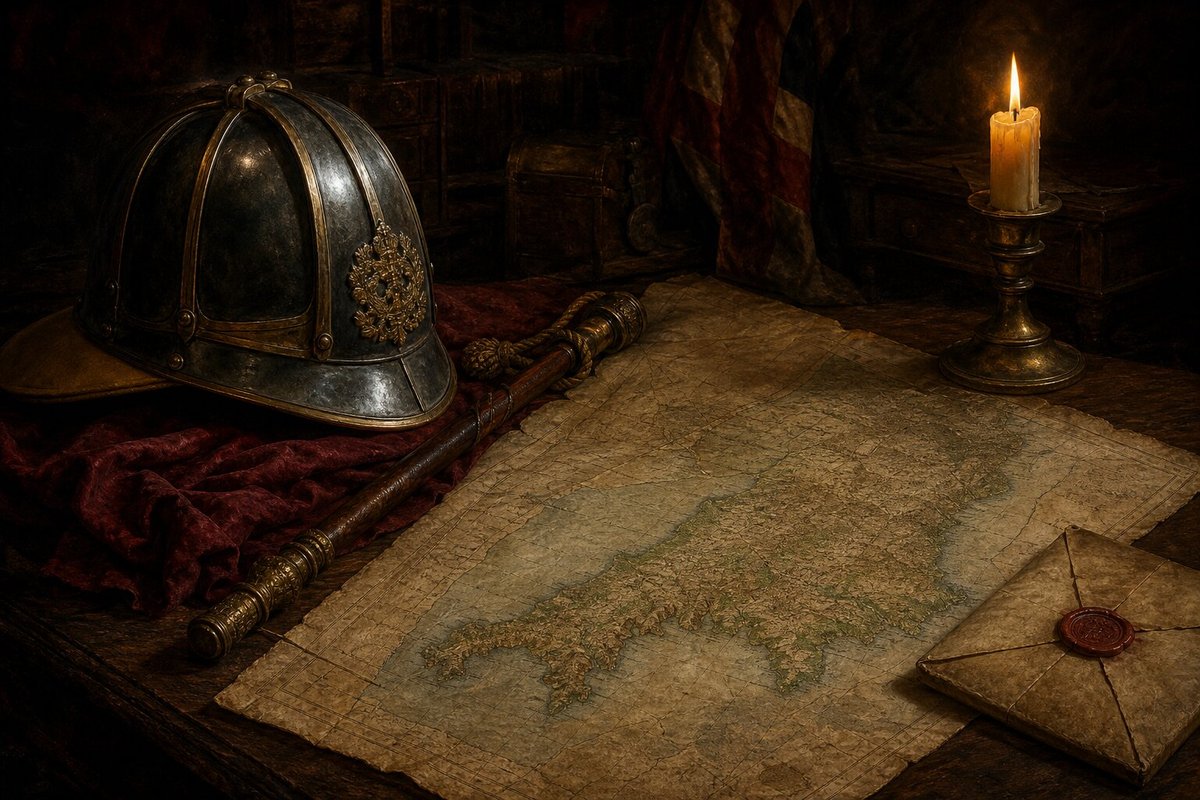
Thomas Fairfax — known to his contemporaries as "Black Tom" for his dark complexion — was one of the outstanding soldiers of the Civil War. Born into a Yorkshire gentry family with a strong military tradition, he had served in the Netherlands and Scotland before the war began.
As Captain-General of the New Model Army from its creation in 1645, Fairfax oversaw the decisive Parliamentarian victories of the war's later stages. Naseby in June 1645 destroyed the King's main field army. Fairfax then turned to the systematic reduction of Royalist strongholds across England, including the South West campaign that culminated at Torrington.
Fairfax was present at Torrington and directed the night assault. After the war, he accepted the new Commonwealth government but refused to sign the death warrant of Charles I and eventually withdrew from public life. He died at his Yorkshire estate in 1671.
Oliver Cromwell
1599–1658Lieutenant General of Horse Parliament
Second in command to Fairfax during the South West campaign, Cromwell commanded the cavalry at Torrington and would later become Lord Protector of England.
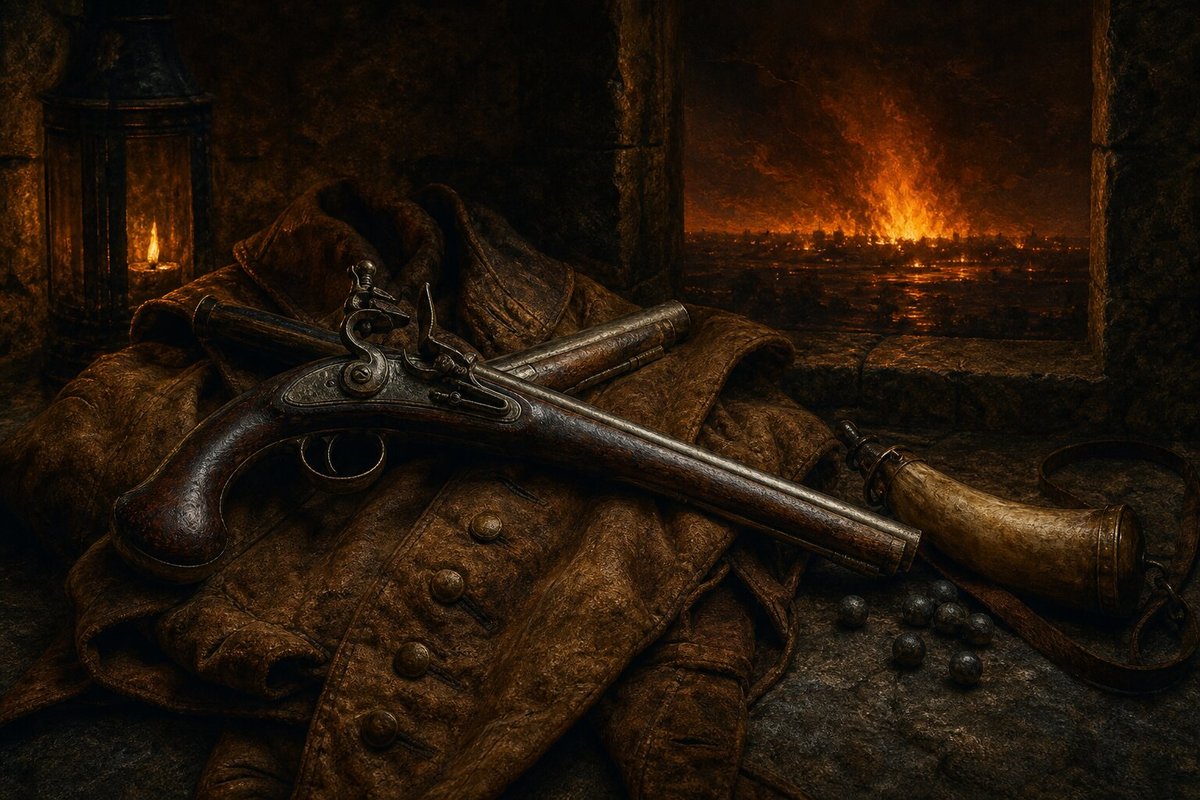
Oliver Cromwell's military career began when he raised a troop of cavalry for Parliament in 1642. His emphasis on discipline and religious motivation — he recruited men who "made some conscience of what they did" — produced cavalry that could be rallied after a charge, unlike most Civil War horse.
As Lieutenant General under Fairfax, Cromwell commanded the cavalry at Torrington. His horse played a significant role in the night action, exploiting the collapse of Royalist resistance after the church explosion. The South West campaign was one of the last major operations before the war's end.
After the Civil War, Cromwell became the dominant political figure in England, eventually ruling as Lord Protector from 1653 until his death in 1658. His legacy remains deeply contested — a liberator to some, a military dictator to others.
King Charles I
1600–1649King of England, Scotland and Ireland Royalist
The monarch whose conflict with Parliament sparked the Civil War. By the time of Torrington, his cause in the South West was already lost.
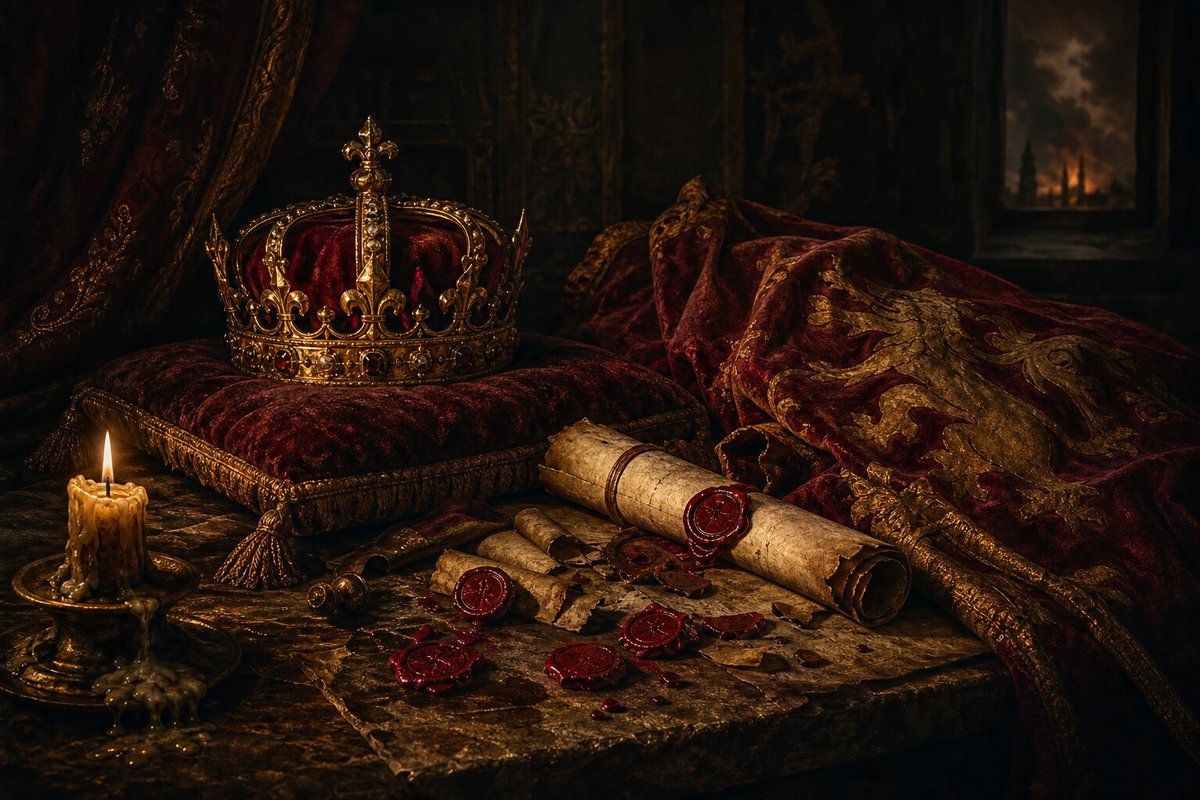
Charles I had been King since 1625 and his disputes with Parliament over taxation, religion, and royal prerogative escalated through the 1630s until war broke out in 1642. His decision to raise his standard at Nottingham in August 1642 began the conflict.
The western counties, including Devon and Cornwall, had provided vital manpower and resources to the Royalist war effort. By February 1646, however, Charles was in Oxford as his remaining armies collapsed around him. The defeat at Torrington was the last major engagement before Hopton's surrender.
Charles surrendered to the Scottish army in May 1646, hoping to play the two sides against each other. He was eventually handed to Parliament and, after a second brief civil war in 1648, was tried and executed on 30 January 1649 — the first English monarch to be publicly executed.
Frequently Asked Questions
Who commanded the Royalists at Torrington?
The Royalist forces at Torrington were commanded by Lord Ralph Hopton, 1st Baron Hopton, one of the most experienced and capable Royalist commanders of the Civil War.
↑ Read more: Lord Ralph Hopton
Who commanded the Parliamentarians at Torrington?
Sir Thomas Fairfax, Captain-General of the New Model Army, commanded the Parliamentary forces. Oliver Cromwell, as Lieutenant General of Horse, commanded the cavalry. See the Battle of Torrington for a full account of the night action.
↑ Read more: Sir Thomas Fairfax
What happened to Lord Hopton after Torrington?
Hopton retreated with the remnants of his cavalry after the defeat, eventually surrendering at Truro in March 1646. He went into exile and died in Bruges in 1652, never returning to England. The wider collapse of the Royalist cause in Devon followed within weeks.
↑ Read more: Lord Ralph Hopton
Was Oliver Cromwell at the Battle of Torrington?
Yes. Cromwell was present at Torrington as Fairfax's second in command, commanding the Parliamentary cavalry during the night battle.
↑ Read more: Oliver Cromwell
What happened to Fairfax after the Civil War?
Fairfax continued as commander of the New Model Army after the war but refused to sign the death warrant of Charles I and stepped back from command in 1650. He retired to his Yorkshire estates and died in 1671.
↑ Read more: Sir Thomas Fairfax
Did Prince Rupert fight at Torrington?
No. Prince Rupert, the King's nephew and a leading Royalist cavalry commander, had been dismissed from command after the fall of Bristol in September 1645. He played no part in the final South West campaign.
Why did Charles I lose the Civil War?
Charles I's defeat resulted from a combination of factors: Parliament's superior financial resources, the creation of the New Model Army in 1645, the decisive Parliamentarian victory at Naseby, and the gradual exhaustion of Royalist manpower in the South West. His own political miscalculations — including attempts to play Parliament and the Scots against each other — also contributed. See the Civil War in Devon for the final campaign.
↑ Read more: King Charles I
How important was the New Model Army to Parliament's victory?
The New Model Army, created in 1645 under Fairfax and Cromwell, was decisive. Unlike earlier Parliamentary forces, it was professionally organised, regularly paid, and promoted officers on merit. It won at Naseby, systematically reduced Royalist garrisons across England, and delivered the final blow at Torrington. For more on how it fought, see Life in 17th-Century England.
↑ Read more: Sir Thomas Fairfax